



Honoring Death Anniversaries in a Healing Way
The anniversary of a loved one’s death can be one of the most emotionally significant days of the year. Even when grief has softened with time, a death anniversary often brings back memories, emotions, and reflections that can feel painfully fresh. For some people, the date is marked by sadness and longing. For others, it becomes an opportunity to celebrate a life well lived and the enduring impact that person continues to have on family and friends.
At our funeral home, we often remind families that there is no “right” way to observe a death anniversary. The most meaningful tributes are the ones that feel authentic and supportive to those who are grieving. Honoring the day in a thoughtful, healing way can provide comfort, strengthen connections, and help transform a difficult date into a meaningful moment of remembrance.
Grief does not follow a straight line. Anniversaries, birthdays, holidays, and other significant dates can reactivate feelings that may have been quiet for months. This is sometimes called an “anniversary reaction,” and it is a completely normal part of the grieving process. You may notice:
- Increased sadness or tearfulness
- Changes in sleep or appetite
- Difficulty concentrating
- A strong desire to talk about your loved one
- Memories becoming more vivid
- Feelings of guilt, regret, or longing
Recognizing that these reactions are common can help reduce the pressure to “be over it.” Love and grief are deeply connected, and remembering someone on the anniversary of their passing is a natural expression of that bond.
Different people find comfort in different types of remembrance. Some prefer quiet reflection, while others find healing in gathering with family and friends. There is no single right way to honor a loved one—only what feels meaningful to you.
Simple rituals can provide a sense of comfort and continuity. Consider:
- Lighting a candle in your loved one’s memory
- Playing their favorite music
- Visiting a place that held special meaning for both of you
- Writing a letter expressing your thoughts and feelings
- Spending a few moments in prayer, meditation, or quiet reflection
Sharing memories with others can also be incredibly healing. Gathering with family or close friends allows everyone to celebrate a life while supporting one another through grief. You might:
- Host a small family dinner
- Look through photo albums together
- Watch home videos
- Invite everyone to share a favorite story or memory
- Create a memory table with photographs and meaningful keepsakes
These gatherings do not need to be formal. Often, the most meaningful moments come from simple conversations, shared laughter, and remembering the unique qualities that made your loved one special.
Many families also find comfort in honoring someone through acts of kindness or service. Turning remembrance into compassionate action can create a lasting tribute while making a positive difference in the lives of others. Consider:
- Donating to a charity your loved one supported
- Volunteering in your community
- Preparing a meal for someone in need
- Planting flowers or a tree in their memory
- Supporting a cause that reflected their values and passions
Some years you may want a quiet day alone, while other years you may feel ready to gather with others. Both choices are perfectly valid. Grief changes over time, and your needs may change as well. Give yourself permission to honor the day in whatever way feels most comforting.
If the anniversary feels especially difficult, try to be gentle with yourself. You may find it helpful to:
- Take the day off from work if possible
- Keep your schedule light and flexible
- Spend time with a trusted friend or family member
- Attend a grief support group
- Rest without feeling guilty if emotions become overwhelming
Healing does not require elaborate plans. Sometimes simply acknowledging the day and practicing self-care is enough.
Children may also experience renewed grief around a death anniversary. Including them in age-appropriate remembrance activities can help them process their emotions and feel connected to the person they have lost. Ideas include:
- Drawing pictures or writing letters
- Creating a memory box
- Baking a favorite family recipe
- Looking through photographs together
- Sharing stories about happy memories
Encourage children to ask questions and express their feelings openly. Honest, loving conversations help them understand that remembering someone is a healthy and natural part of grieving.
Many families discover that creating an annual remembrance tradition provides comfort year after year. Meaningful traditions might include:
- Visiting the cemetery together
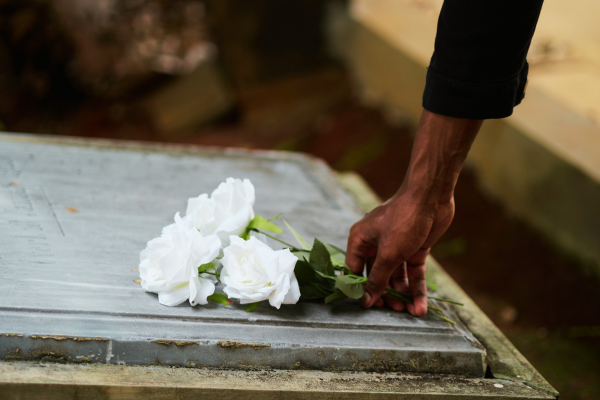
- Bringing fresh flowers to a memorial site
- Making a charitable donation each year
- Cooking your loved one’s favorite meal
- Watching their favorite movie
- Writing down a favorite memory or lesson they taught you
These traditions can evolve over time while providing a comforting way to keep your loved one’s memory woven into family life.
One of the most important things to remember is that grief often changes form rather than disappearing completely. The intense pain of early loss may gradually soften into gratitude, cherished memories, and a lasting appreciation for the time you shared together.
Honoring a death anniversary is not about holding on to sadness. It is about recognizing a relationship that continues to have meaning. Whether you spend the day in quiet reflection, gather with loved ones, volunteer in your loved one’s honor, or simply light a candle and speak their name, your remembrance is a beautiful expression of enduring love.
At Goldsteins’, we have witnessed how these simple acts of remembrance can bring comfort, strengthen family bonds, and encourage healing. There is no perfect way to honor a death anniversary—only the way that feels right for you and your family. By approaching the day with compassion, flexibility, and love, you can create a meaningful tribute that honors your loved one’s legacy while supporting your own journey of healing.
If you need additional ideas for honoring your loved one or want grief support resources, we’re here to help. Be sure to visit our website or call us for more information at 215-927-5800.